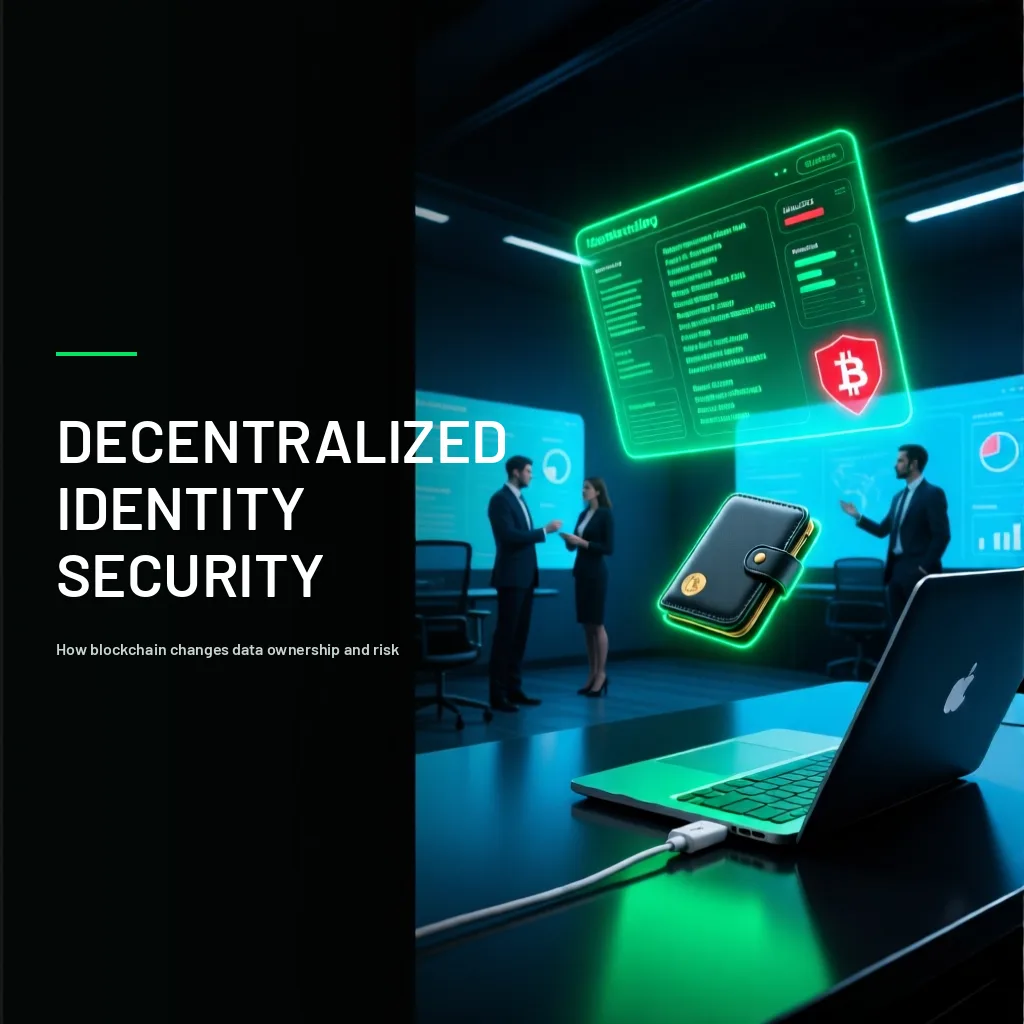
Web 3.0 is a decentralized internet model where users own their data through blockchain and smart contracts, rather than central servers. For business leaders, this shift moves security focus from perimeter defense to identity and transaction integrity. Understanding this transition is critical for managing new digital risks.

Controls and monitoring that stop the attack.
What is Web 3.0 and how does it differ from Web 2.0?
Web 3.0 replaces centralized platforms with peer-to-peer networks, using cryptographic keys for identity and smart contracts for automation. Unlike Web 2.0, where companies store user data in silos, Web 3.0 distributes data across a ledger. This means there is no single point of failure, but also no central authority to revoke access if a user loses their private key.
How does Web 3.0 impact traditional cybersecurity controls?
Traditional firewalls and endpoint protection are less effective against decentralized applications (dApps) because there is no central server to protect. Instead, security relies on cryptographic verification of transactions and the integrity of the client-side code. This requires a new skill set focused on blockchain analysis and smart contract auditing rather than network perimeter defense.
Common risks in Web 3.0 environments
What should businesses do before adopting Web 3.0 technologies?
Businesses must conduct a specific risk assessment for decentralized components, focusing on key management and smart contract security. You should verify the reputation of the blockchain platform and audit any custom smart contracts before deployment. Additionally, train your IT team on wallet management and the irreversible nature of blockchain transactions.
How to protect private keys and wallet security?
Private keys are the most critical asset in Web 3.0, so they must be stored in hardware wallets or secure enclaves, never on standard computers. Implement multi-signature requirements for high-value transactions to ensure no single point of failure. For corporate use, consider institutional custody solutions that provide key management services with audit trails. If you are managing digital identities or verifying transaction integrity, tools like the "SSL/TLS certificate checker" can help ensure your communication channels remain secure during the transition to hybrid models.
In Web 3.0, the user is the server; therefore, the user is also the primary security liability.
Frequently Asked Questions
Is Web 3.0 safe for enterprise data?
Web 3.0 can be secure if implemented correctly, but it introduces new risks like smart contract bugs and key management failures. It is not inherently safer than Web 2.0; it simply shifts the attack surface.
Can I recover my data if I lose my private key?
No. In most Web 3.0 systems, losing your private key means permanent loss of access to your data and assets. There is no central authority to reset your credentials.
Does Web 3.0 eliminate the need for firewalls?
Not entirely. While decentralized apps reduce reliance on central servers, the underlying infrastructure and user endpoints still require traditional security controls to prevent malware and phishing.
What is a smart contract vulnerability?
A smart contract vulnerability is a bug in the automated code that allows attackers to manipulate the logic of the contract, often resulting in unauthorized access or financial loss.
How does Web 3.0 affect compliance with data privacy laws?
The immutability of blockchain data can conflict with regulations like GDPR, which grant users the right to be forgotten. Businesses must carefully design their data architecture to separate personal data from on-chain transactions.
Secure Your Digital Transition
T.I. RESCUE, a Colombian cybersecurity firm based in Medellín, helps you navigate the security challenges of Web 3.0 and traditional IT environments.
Hablar con un especialistaYou may also like


Comments (0)
Be the first to comment.