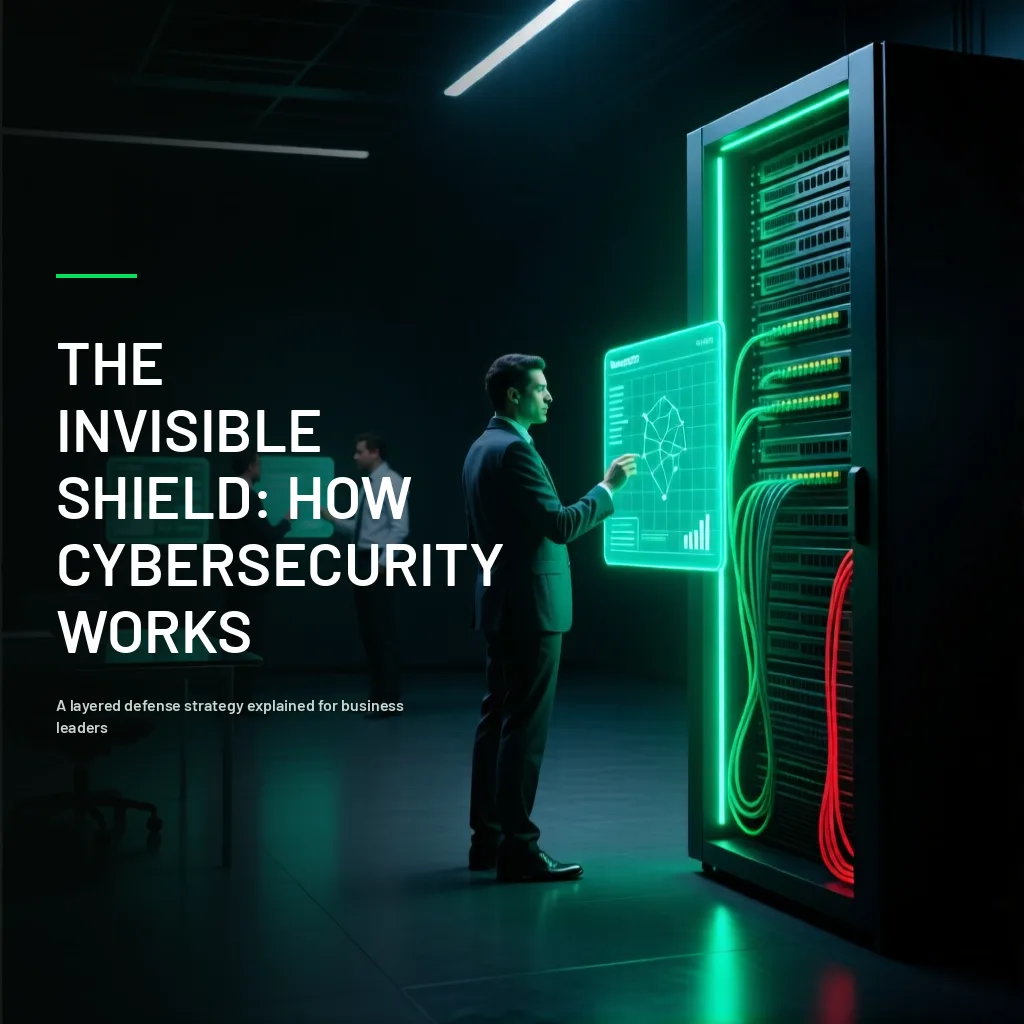
Cybersecurity works by layering defensive controls across your network, endpoints, and human processes to detect and block threats. It is not a single product but a continuous cycle of monitoring, responding, and adapting. This guide breaks down the core mechanisms that keep your business safe from modern attacks.

Anatomy of the attack described in the article.
What are the core layers of defense?
The first line of defense is the network perimeter, where firewalls and intrusion detection systems filter traffic. Inside, endpoint protection monitors every device for malicious behavior. Finally, identity management ensures that only authorized users access sensitive data. These layers work together; if one fails, the others catch the threat. For example, if a phishing email bypasses email filters, endpoint detection and response (EDR) software can isolate the infected machine before it spreads.
How does threat detection actually work?
Modern detection relies on both signature-based and behavioral analysis. Signature-based systems look for known patterns of malware, which is fast but ineffective against new threats. Behavioral analysis watches for anomalies, such as a file trying to encrypt thousands of documents in seconds. When these systems spot unusual activity, they trigger alerts for your security team or automated response actions. This dual approach ensures you catch both known and zero-day vulnerabilities.
Daily operational steps
Why is human behavior the weakest link?
Technology cannot stop every attack, especially social engineering. Attackers often target employees with convincing emails or phone calls. To mitigate this, organizations implement security awareness training and simulate phishing attacks. If you want to test your team's resilience, you can use the "Phishing simulator: would you have fallen for it?" tool to create realistic scenarios and measure response rates without risking real data.
How do you verify your email security?
Email remains the primary vector for business email compromise. Protocols like SPF, DKIM, and DMARC work together to authenticate messages and prevent spoofing. If you are unsure whether your domain is properly configured, you can use the "Domain security checker" to verify these records instantly. Proper configuration ensures that even if an attacker gains access to a compromised mailbox, they cannot easily spoof your domain to trick partners.
Security is not a product you buy; it is a process you manage.
Frequently asked questions
How long does it take to set up a basic security framework?
Basic setup, including firewalls and endpoint protection, can take a few days. However, a mature framework with continuous monitoring and user training takes months to fully implement and stabilize.
Is antivirus software enough for modern threats?
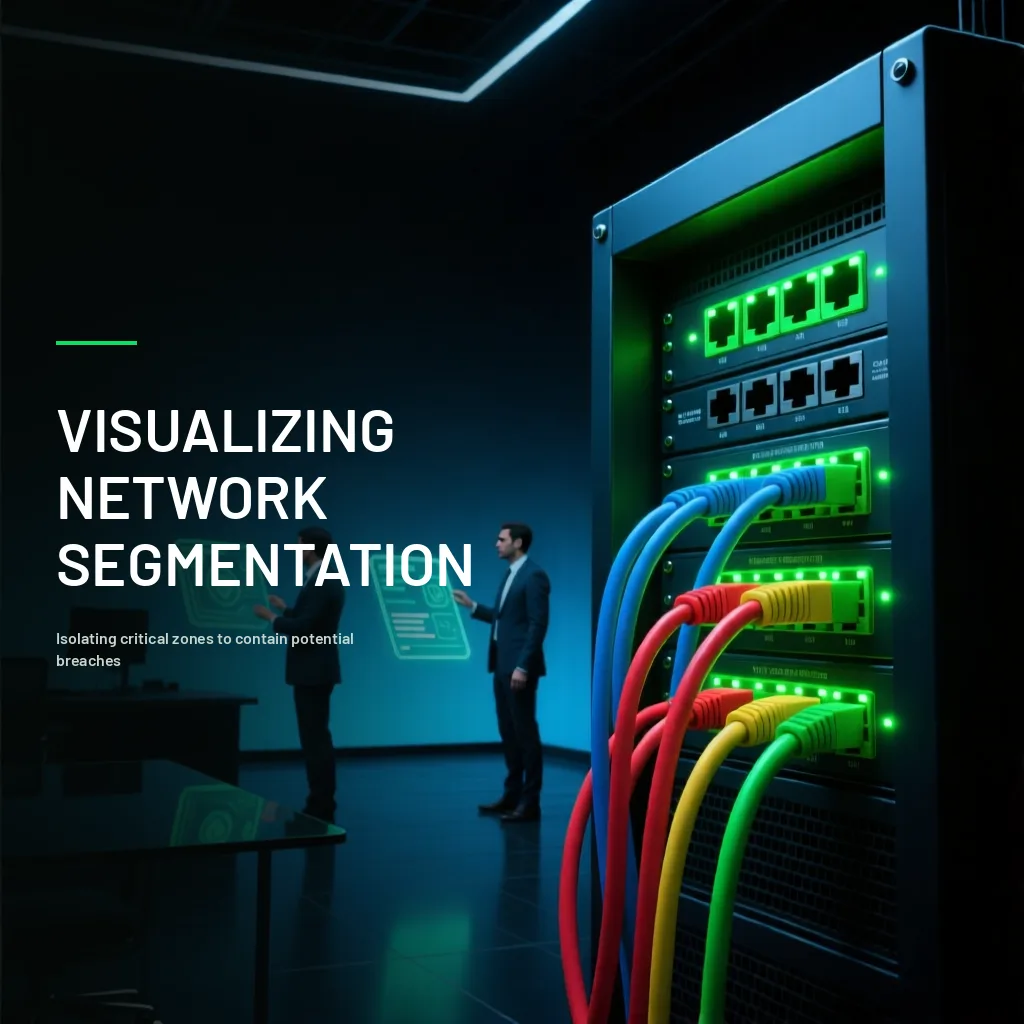
No, traditional antivirus is insufficient against fileless attacks and zero-day exploits. You need layered defenses like EDR, network segmentation, and identity management for comprehensive protection.
What is the first thing to check if I suspect a breach?
Isolate affected devices from the network immediately to prevent lateral movement. Then, use the "Was I hacked? Guided check" tool to assess the scope of the incident and identify compromised accounts.
How often should I update my security policies?
Review policies at least annually, but update them immediately after any significant security incident, new technology deployment, or change in business operations.

Controls and monitoring that stop the attack.
Secure Your Business with T.I. RESCUE
Hablar con un especialistaYou may also like


Comments (0)
Be the first to comment.