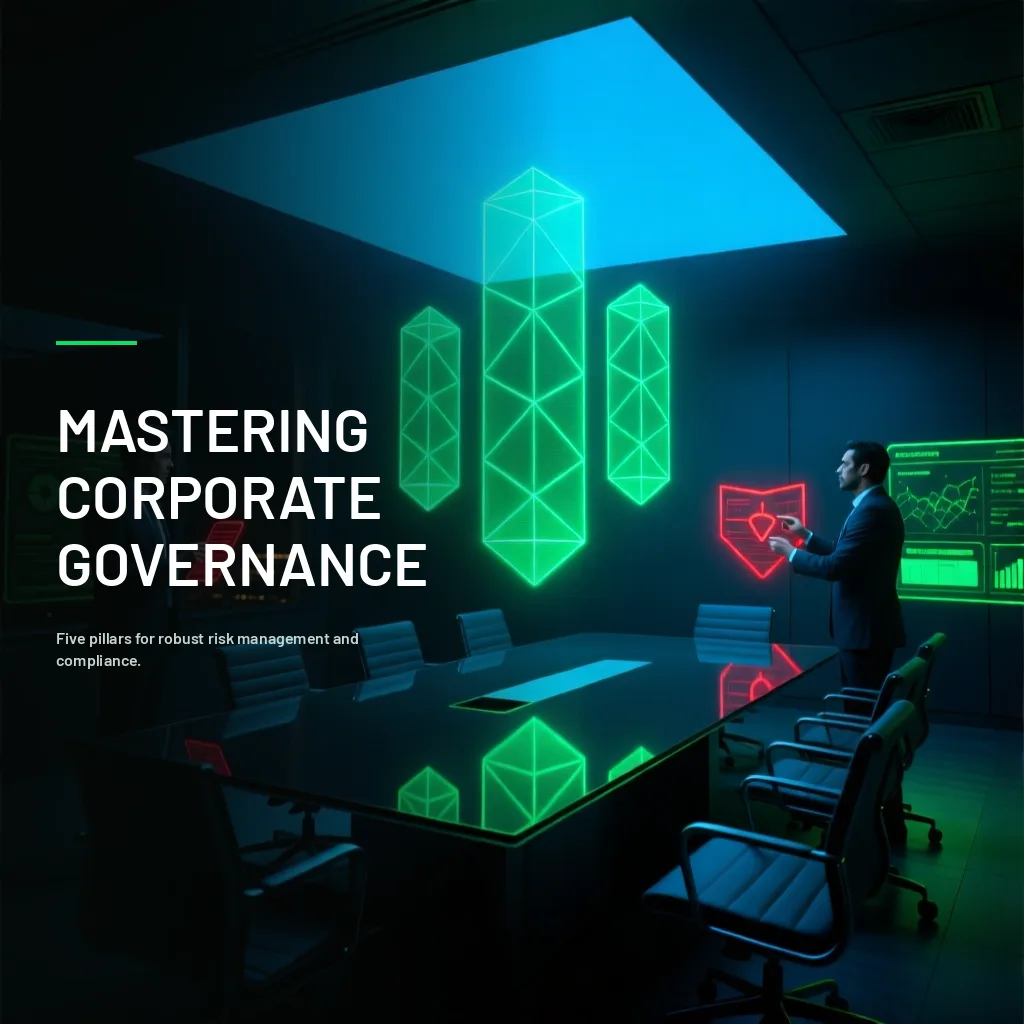
The COSO model is a comprehensive framework developed by the Committee of Sponsoring Organizations of the Treadway Commission to help organizations establish effective internal controls and risk management. It provides a structured approach for governing business processes, ensuring compliance, and protecting assets through five interconnected components.
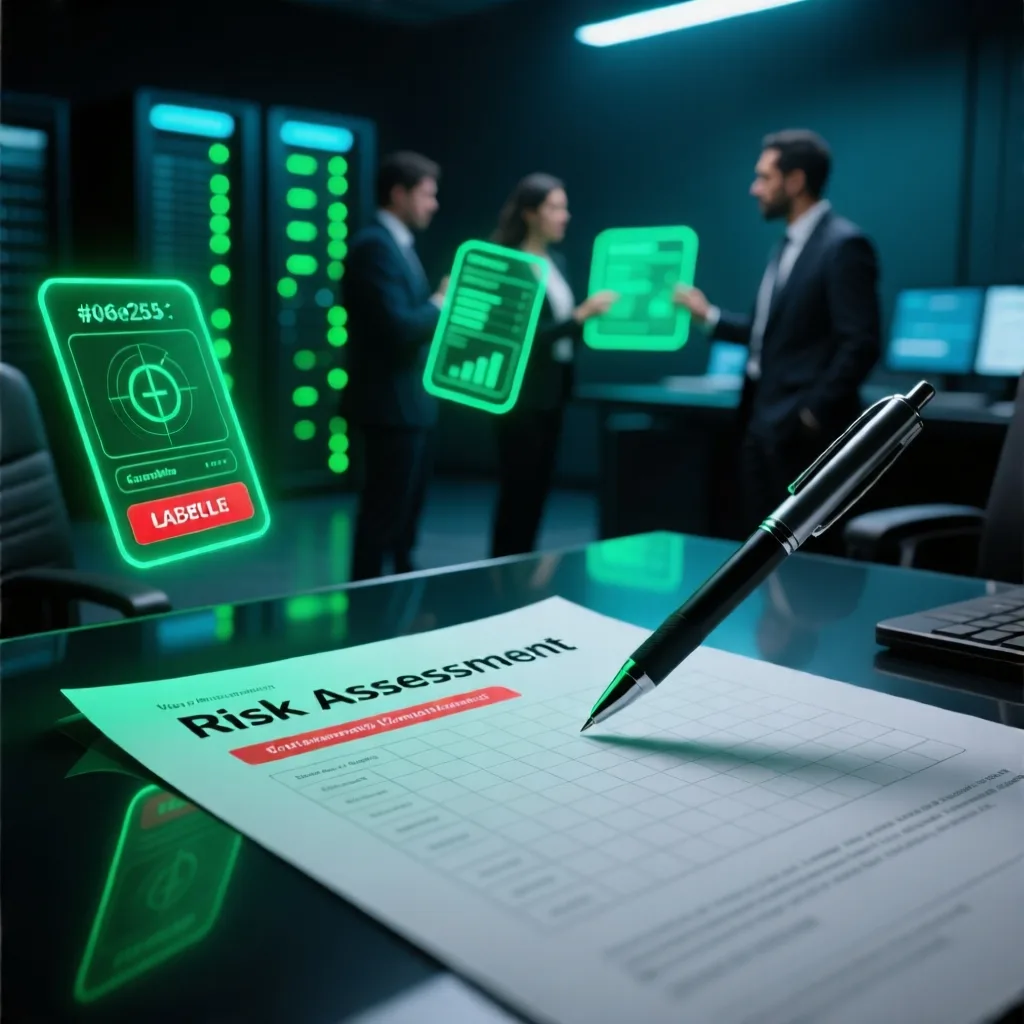
Anatomy of the attack described in the article.
What are the five components of the COSO framework?
The five components of the COSO framework are Control Environment, Risk Assessment, Control Activities, Information and Communication, and Monitoring Activities. Each element works together to create a robust system that supports the organization's objectives. Control Environment sets the tone at the top, while Risk Assessment identifies potential threats. Control Activities implement policies, Information and Communication ensures data flows correctly, and Monitoring Activities verify that the system remains effective over time.
Why is the COSO model important for business governance?
What are the benefits of implementing COSO?
How does COSO apply to cybersecurity?
Frequently Asked Questions
Is the COSO model only for large corporations?
No, the COSO model is scalable and can be adapted for small and medium-sized businesses. The key is to tailor the framework to the organization's size, complexity, and risk profile.
What is the difference between COSO and ISO 27001?
COSO is a broader framework for internal control and risk management, while ISO 27001 is a specific standard for information security management. Many organizations use both, with COSO providing the governance structure and ISO 27001 detailing technical security controls.
How often should a company review its COSO framework?
Companies should review their COSO framework annually or whenever significant changes occur in the business environment, such as new regulations, mergers, or technology shifts.
Who is responsible for implementing the COSO model?
Implementation is a shared responsibility, led by the board of directors and senior management. The internal audit function often plays a key role in monitoring and evaluating the effectiveness of the framework.
Can COSO help prevent fraud?
Yes, by establishing strong control environments and monitoring activities, COSO helps detect and prevent fraud. It promotes a culture of integrity and provides mechanisms for reporting and investigating suspicious activities.

Controls and monitoring that stop the attack.
Strengthen Your Governance with T.I. RESCUE
Hablar con un especialistaYou may also like

Comments (0)
Be the first to comment.