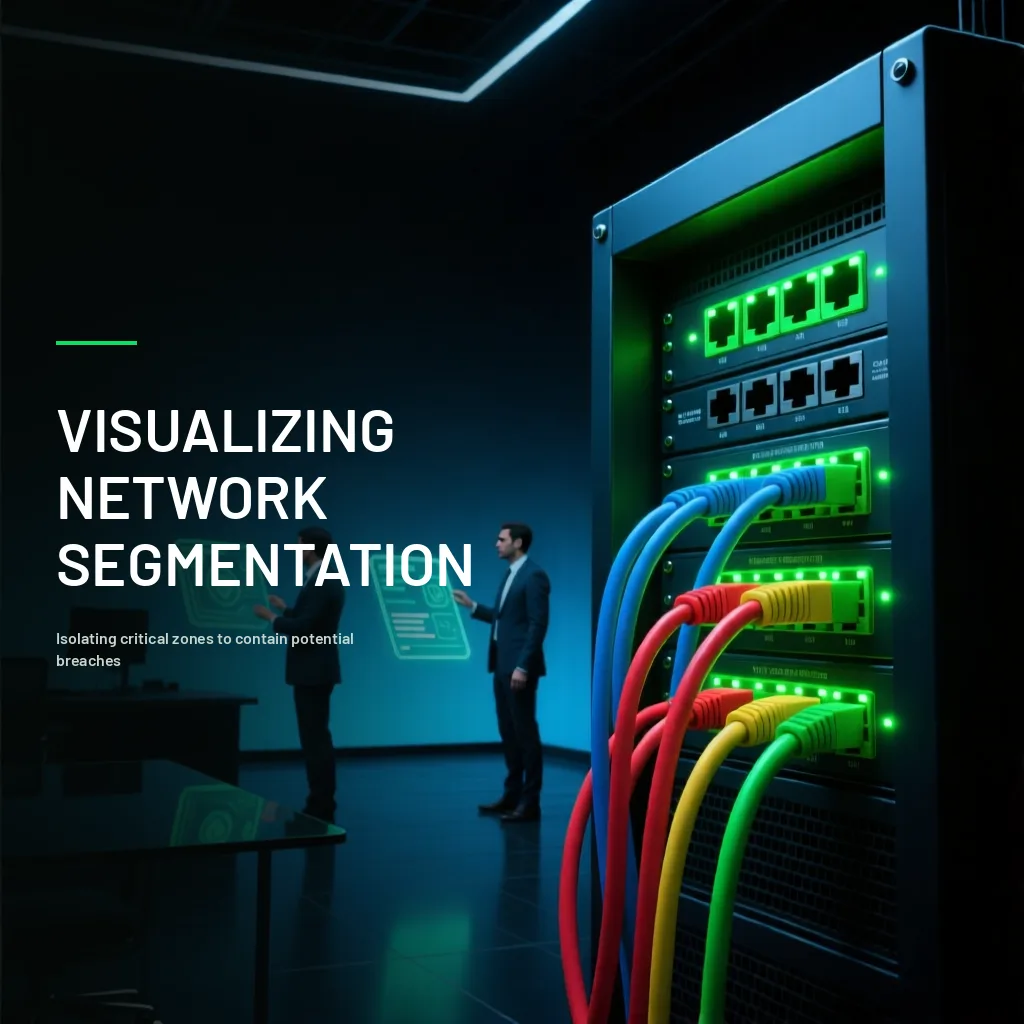
A Local Area Network (LAN) is a private computer network that interconnects devices within a limited geographical area, such as an office or building. Securing this infrastructure is critical because it serves as the backbone for internal data exchange and access to cloud services.

Anatomy of the attack described in the article.
Why is LAN segmentation essential for business security?
LAN segmentation divides your network into smaller, isolated zones to limit the potential impact of a security breach. By separating departments like finance, HR, and engineering, you ensure that if one segment is compromised, attackers cannot easily move laterally to other parts of the network. This approach reduces the attack surface and helps contain threats before they spread across the entire organization.
Key components of a secure LAN
How to detect unauthorized devices on your network?
You can detect unauthorized devices by implementing Network Access Control (NAC) solutions that verify the identity of every device attempting to connect. Additionally, regular network scans and monitoring tools help identify unknown MAC addresses or IP configurations. If you suspect a device has been compromised or is unauthorized, you can use the free T.I. RESCUE tool "Was I hacked? Guided check" to perform a systematic review of your endpoints and network logs.
What role does encryption play in LAN security?
Encryption protects data as it moves across the local network, ensuring that even if traffic is intercepted, it remains unreadable to unauthorized parties. Implementing protocols like WPA3 for wireless connections and IPsec for wired traffic adds a crucial layer of defense. For businesses handling sensitive data, encryption is not optional but a fundamental requirement for compliance and data protection.
A secure LAN is not just about blocking external threats; it is about controlling internal access and ensuring that only authorized devices and users can interact with critical resources.
How often should you audit your LAN configuration?
You should audit your LAN configuration at least quarterly, or immediately after any significant network change. Regular audits help identify misconfigurations, unauthorized changes, and emerging vulnerabilities. Keeping detailed documentation of your network topology and access policies ensures that you can quickly detect and respond to anomalies.
Frequently Asked Questions
What is the difference between LAN and WAN?
A LAN covers a small, localized area like an office, while a WAN connects multiple LANs over long distances, such as between different office locations or via the internet.
Is it necessary to segment a small office network?
Yes, even small offices benefit from segmentation. Isolating guest Wi-Fi from internal networks and separating critical systems from general user access significantly reduces risk.
How can I protect my LAN from insider threats?
Implement role-based access controls (RBAC), monitor user activity, and enforce strong authentication policies. Regular training and clear acceptable use policies also help mitigate insider risks.
What is the best way to manage network devices remotely?
Use centralized management platforms with secure remote access protocols. Ensure that all remote access is encrypted and that access is limited to authorized administrators only.
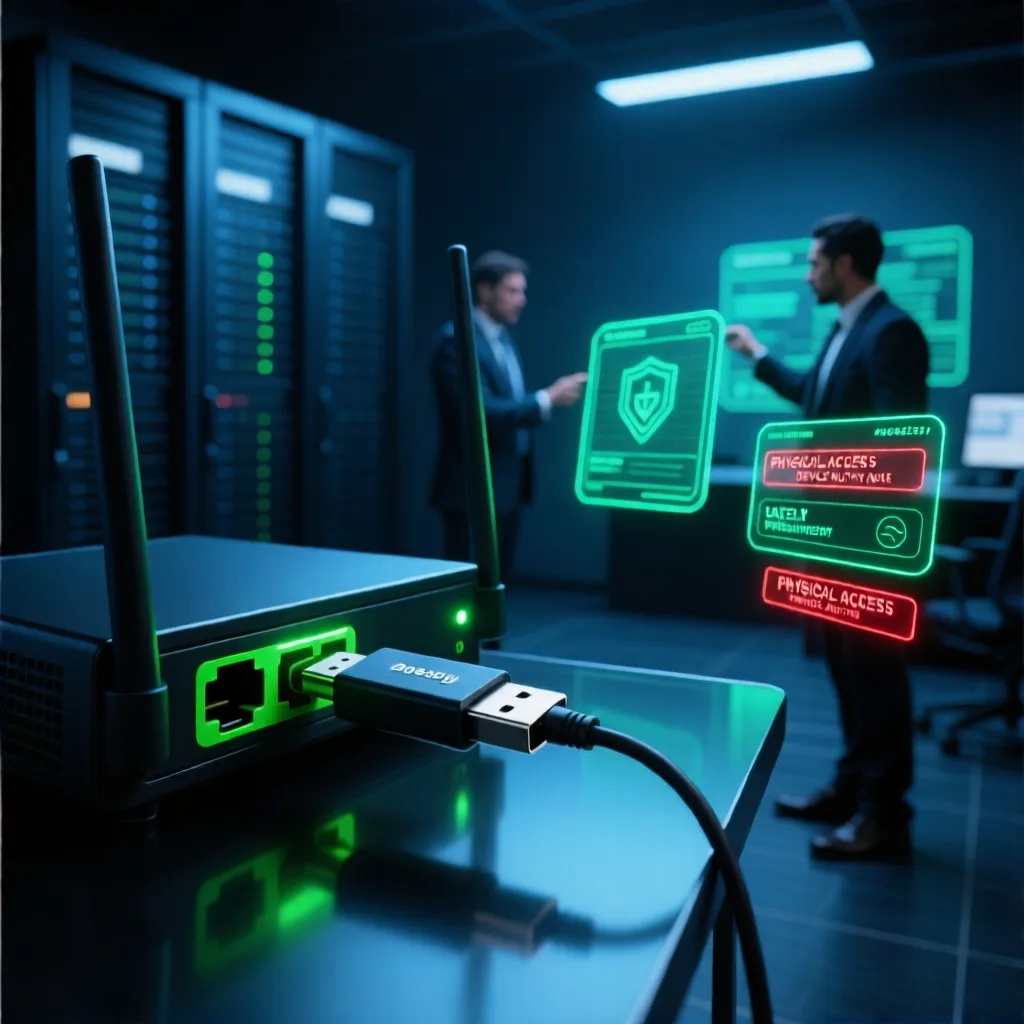
Controls and monitoring that stop the attack.
Strengthen Your Network Foundation
Contact T.I. RESCUE, a Colombian cybersecurity firm based in Medellín, to assess and secure your local area network.
Hablar con un especialistaYou may also like



Comments (0)
Be the first to comment.