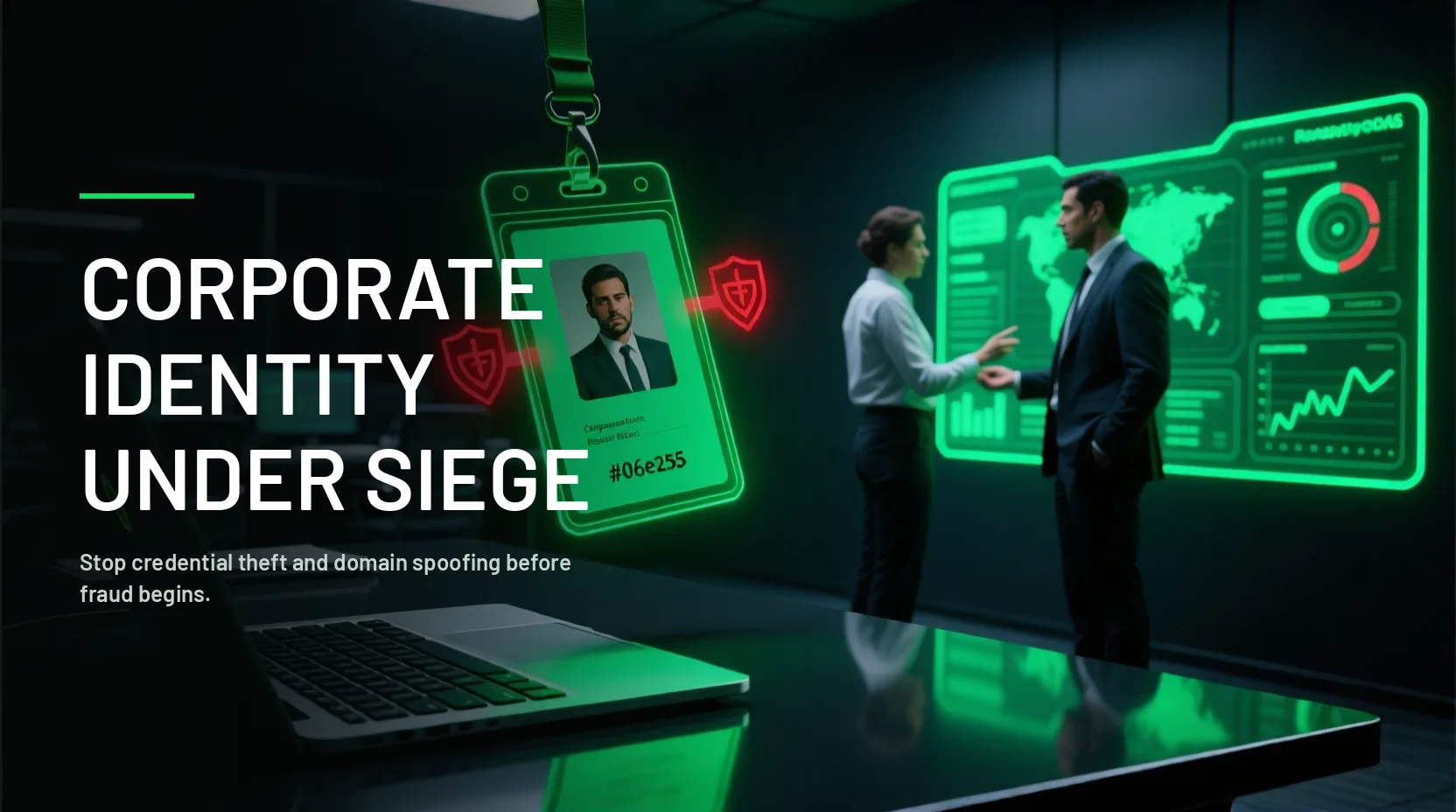
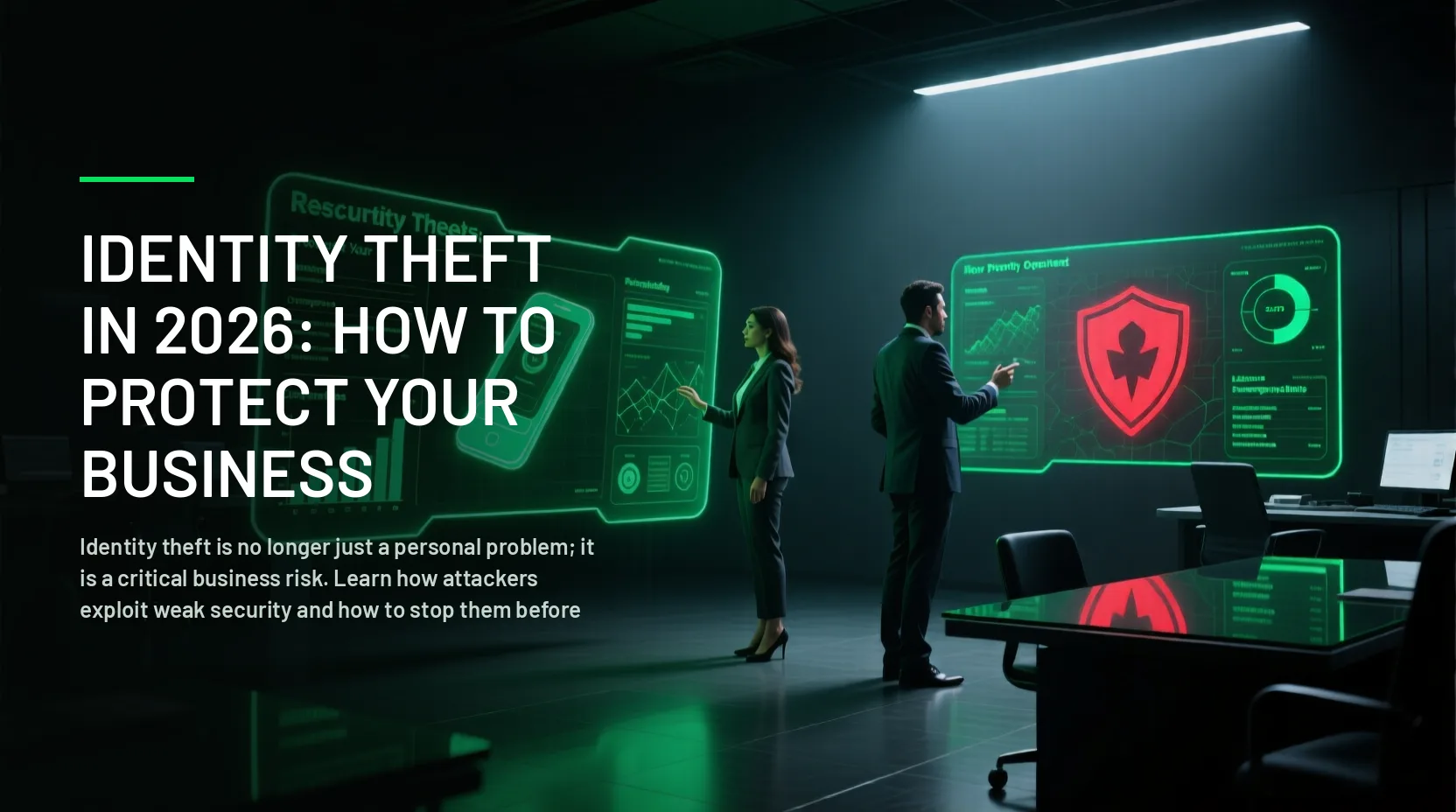
Identity theft is the unauthorized use of an individual's or organization's personal information to commit fraud. Attackers exploit weak credentials, spoofed domains, and social engineering to access accounts, drain funds, or damage reputation. For business owners, this risk extends beyond personal data to include customer records, financial systems, and brand integrity. Protecting against identity theft requires layered security controls and employee awareness.
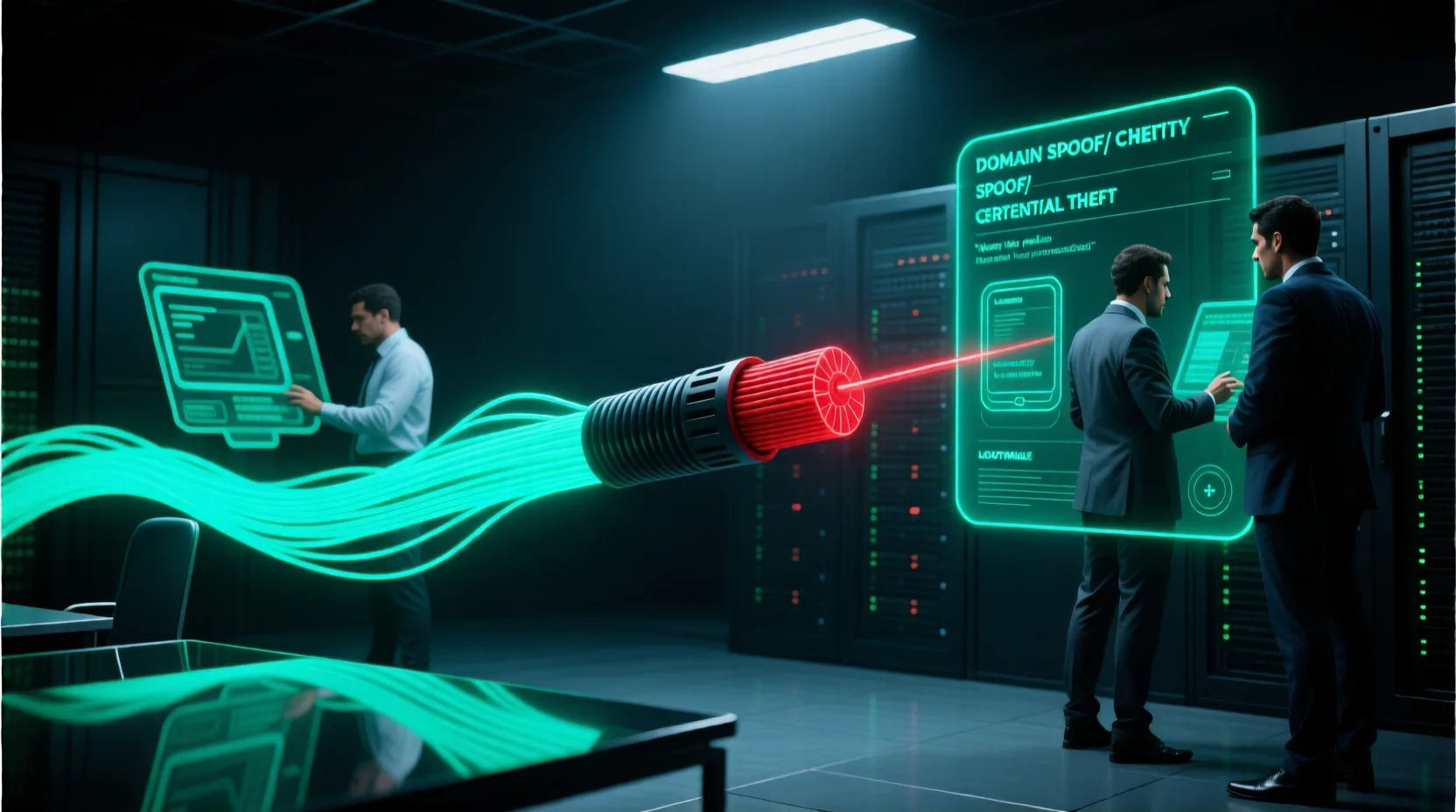
Anatomy of the attack described in the article.
How does identity theft happen in a business context?
Identity theft in business environments typically begins with credential compromise or domain spoofing. Attackers may use phishing emails to harvest login details, exploit unpatched software to steal session tokens, or register lookalike domains to intercept communications. Once they have access, they can impersonate executives to authorize fraudulent transfers, access customer databases, or deploy malware that exfiltrates sensitive data. The initial breach is often subtle, making early detection critical.
How to secure your email and domain against spoofing?
Securing your email infrastructure is the first line of defense against identity theft. Implement SPF, DKIM, and DMARC records to authenticate outgoing emails and reject spoofed messages. Regularly monitor your domain for lookalike registrations and ensure your SSL/TLS certificates are valid and up to date. You can use the free T.I. RESCUE tool "DMARC, SPF and DKIM checker" to verify your current configuration and identify gaps. Additionally, enforce strict password policies and require multi-factor authentication for all accounts, especially those with administrative privileges.
What immediate steps should you take if you suspect identity theft?
How can you detect a compromised account early?
Early detection relies on monitoring unusual activity and employee reporting. Look for logins from unfamiliar locations, unexpected password change requests, or anomalies in data access patterns. Implement real-time alerting for critical actions like mass data downloads or permission changes. Train employees to recognize signs of social engineering, such as urgent requests for sensitive information or deviations from standard communication channels. Use the "Was I hacked? Guided check" tool to perform a quick self-assessment of your account security posture.
Identity theft is not just a personal issue; it is a business continuity risk that can erode customer trust and financial stability if left unaddressed.
What role does employee training play in preventing identity theft?
Frequently Asked Questions
What is the difference between identity theft and data breach?
Identity theft involves the unauthorized use of personal or corporate information to commit fraud, while a data breach is the unauthorized access to or acquisition of sensitive data. A data breach can lead to identity theft if the stolen data is used maliciously.
How long does it take to recover from an identity theft incident?
Recovery time varies depending on the scope of the breach and the complexity of the systems involved. It can range from a few days for a single account compromise to several months for a large-scale data breach requiring forensic investigation and regulatory compliance.
Is multi-factor authentication enough to prevent identity theft?
Multi-factor authentication significantly reduces the risk of identity theft but is not a complete solution. Attackers can still bypass MFA through session hijacking, SIM swapping, or social engineering. A layered security approach is necessary for comprehensive protection.
What should I do if my business domain is spoofed?
Immediately contact your domain registrar to report the spoofed domain, implement DMARC policies to reject spoofed emails, and monitor for any fraudulent activity associated with the lookalike domain. Consider legal action if the spoofing results in financial loss or reputational damage.
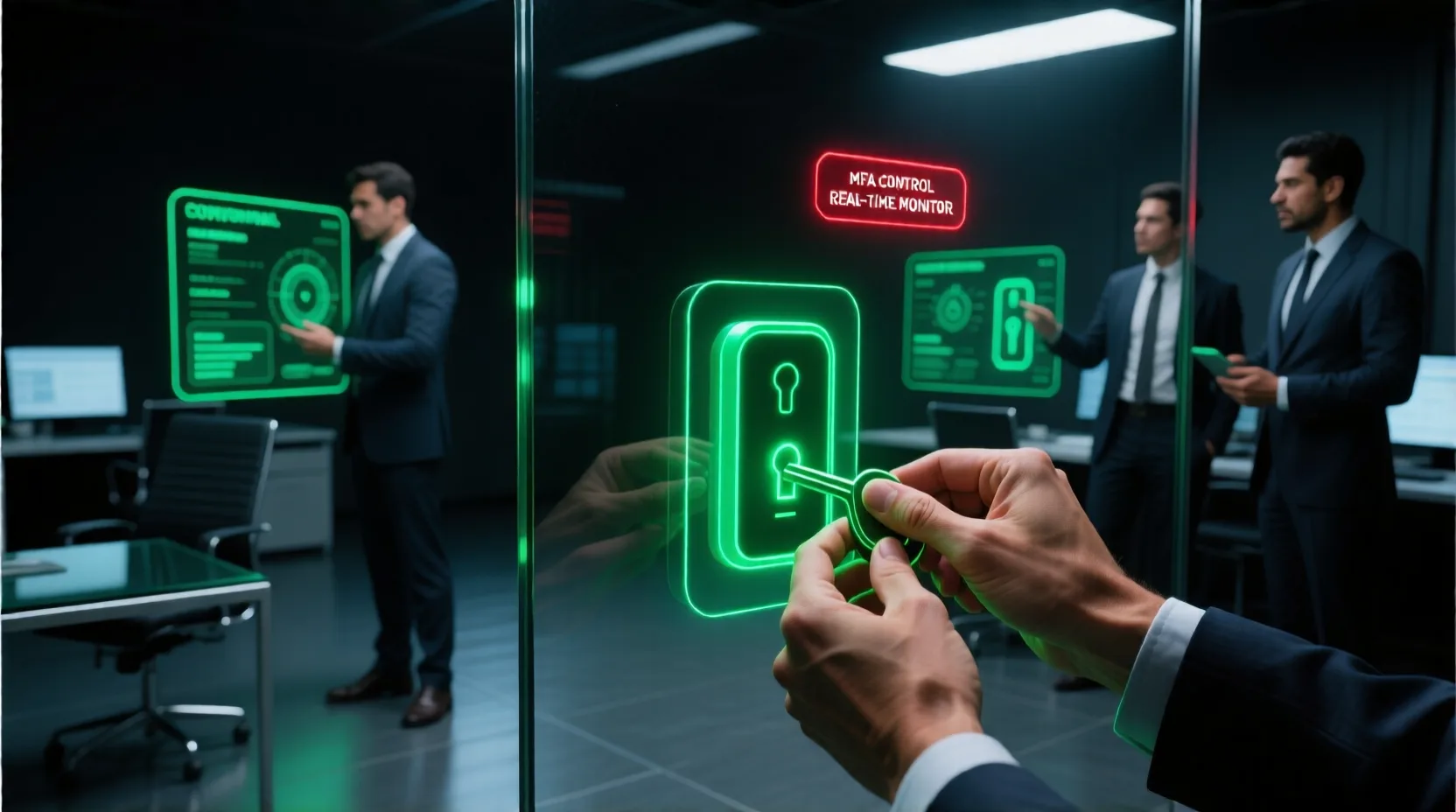
Controls and monitoring that stop the attack.
Secure Your Business Today
Contact T.I. RESCUE, a cybersecurity and IT services company based in Medellín, Colombia, to assess your identity theft risks and implement robust security measures.
Hablar con un especialistaSet this site as a preferred source on Google
You may also like
Comments (0)
Be the first to comment.