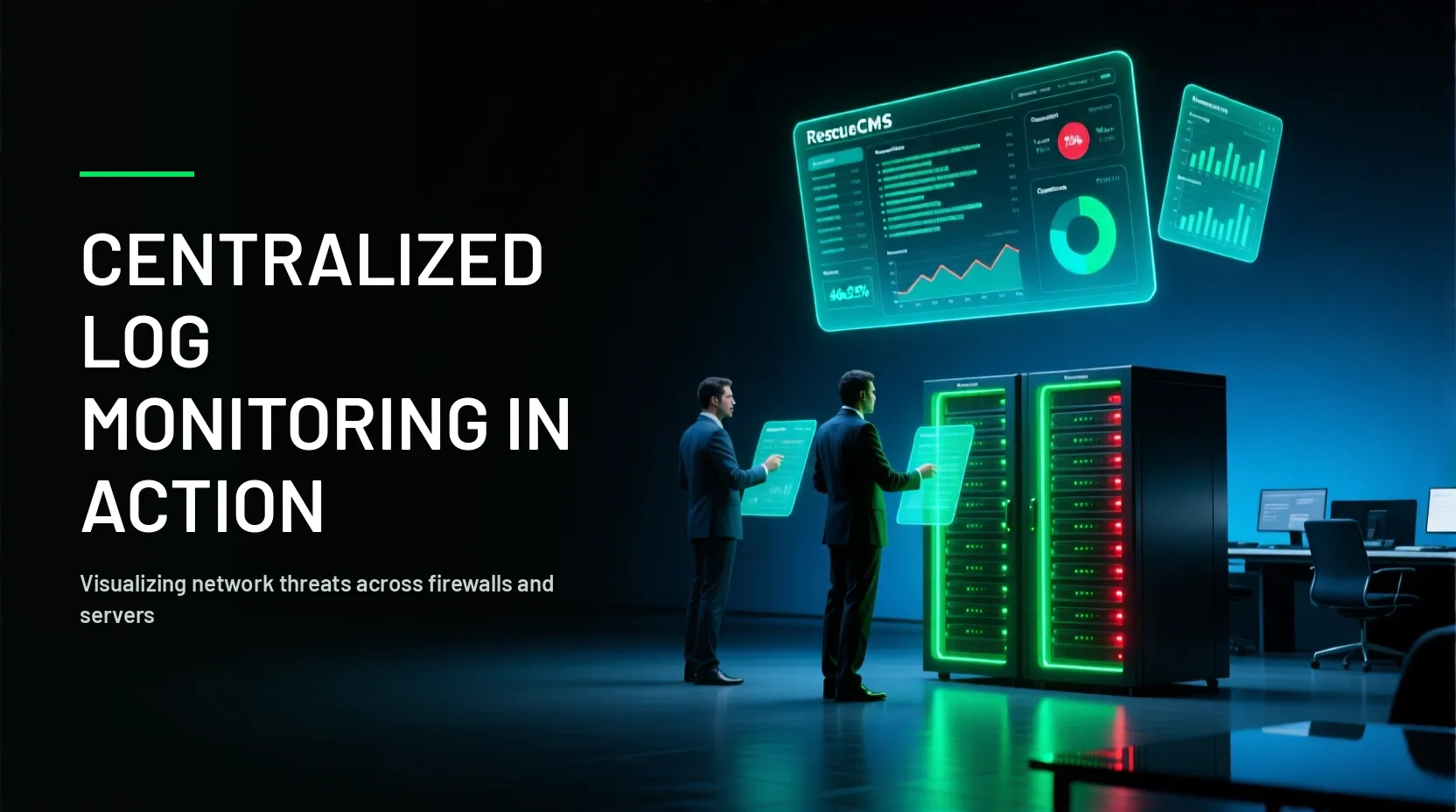
A Security Information and Event Management (SIEM) system is a centralized platform that collects, normalizes, and analyzes log data from across your IT infrastructure. It serves as the single pane of glass for security operations, allowing you to correlate events from firewalls, servers, and endpoints to identify suspicious activity in real time.
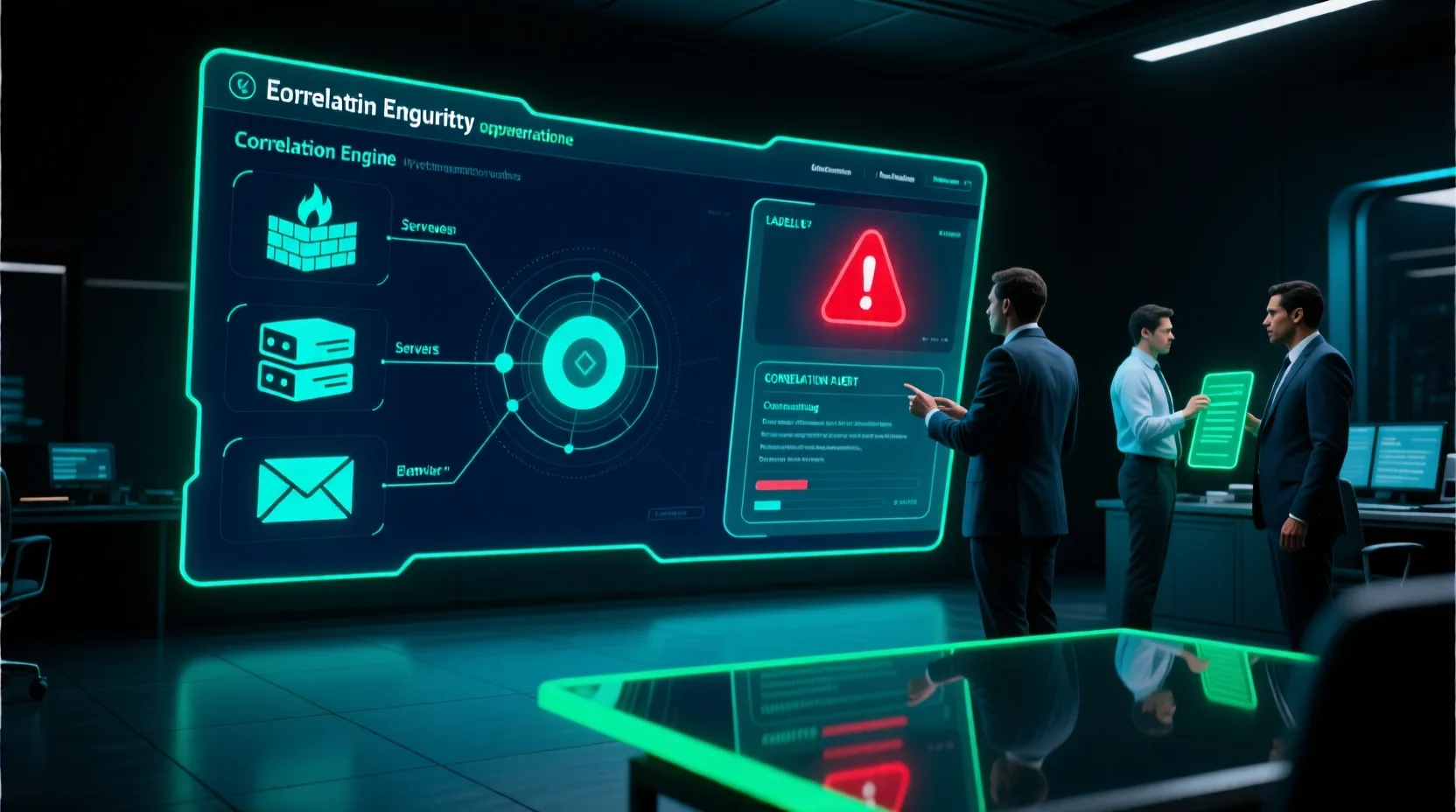
Anatomy of the attack described in the article.
What events does a SIEM actually collect?
A SIEM ingests data from every critical layer of your network to build a complete picture of activity. This includes authentication logs from Active Directory or cloud identities, traffic patterns from firewalls and intrusion detection systems, process execution records from endpoints, and mail flow logs from your email server. By normalizing these disparate formats into a common schema, the system can spot anomalies that would be invisible in isolated log files. For example, a failed login attempt from a foreign IP address followed by a successful login from the same IP is a classic pattern that a SIEM can flag immediately, whereas checking individual server logs manually would take hours.
How does a SIEM help detect incidents in real time?
A SIEM uses rule-based logic and behavioral analytics to detect incidents by comparing current activity against established baselines. When a user who typically logs in from Medellín suddenly accesses sensitive files from a high-risk country, the system triggers an alert. Advanced SIEMs also use machine learning to detect subtle anomalies, such as a service account downloading unusually large amounts of data during off-hours. This proactive approach shifts your security posture from reactive incident response to active threat hunting, significantly reducing the mean time to detect (MTTD) and mean time to respond (MTTR).
Should you buy a SIEM or use a managed service?
Choosing between an on-premise SIEM solution and a Managed Security Service Provider (MSSP) depends on your budget and internal expertise. A full SIEM stack requires dedicated storage, compute power, and skilled analysts to tune rules and reduce false positives. For many small and medium enterprises, this overhead is prohibitive. A managed service like Rescue SOC provides the same centralized monitoring and 24/7 analysis without the capital expenditure or the need to hire specialized security engineers. You gain enterprise-grade visibility while the provider handles the heavy lifting of log ingestion, correlation, and alert triage.
Frequently asked questions
Is a SIEM necessary for small businesses?
Yes, even small businesses face sophisticated threats. A SIEM or managed detection service provides the visibility needed to detect intrusions that basic antivirus software might miss, ensuring you can respond before significant damage occurs.
How long does it take to implement a SIEM?
Implementation time varies based on infrastructure complexity. A managed service can often be operational within days, while an on-premise deployment may take weeks to months for proper tuning and integration.
What is the difference between a SIEM and a SOC?
A SIEM is the technology platform that collects and analyzes logs, while a SOC (Security Operations Center) is the team of analysts who use that platform to monitor, investigate, and respond to security events.
Can a SIEM replace traditional antivirus?
No, they are complementary. Antivirus protects individual endpoints from known malware, while a SIEM monitors the entire network for suspicious behavior and coordinated attacks that may not involve traditional malware signatures.
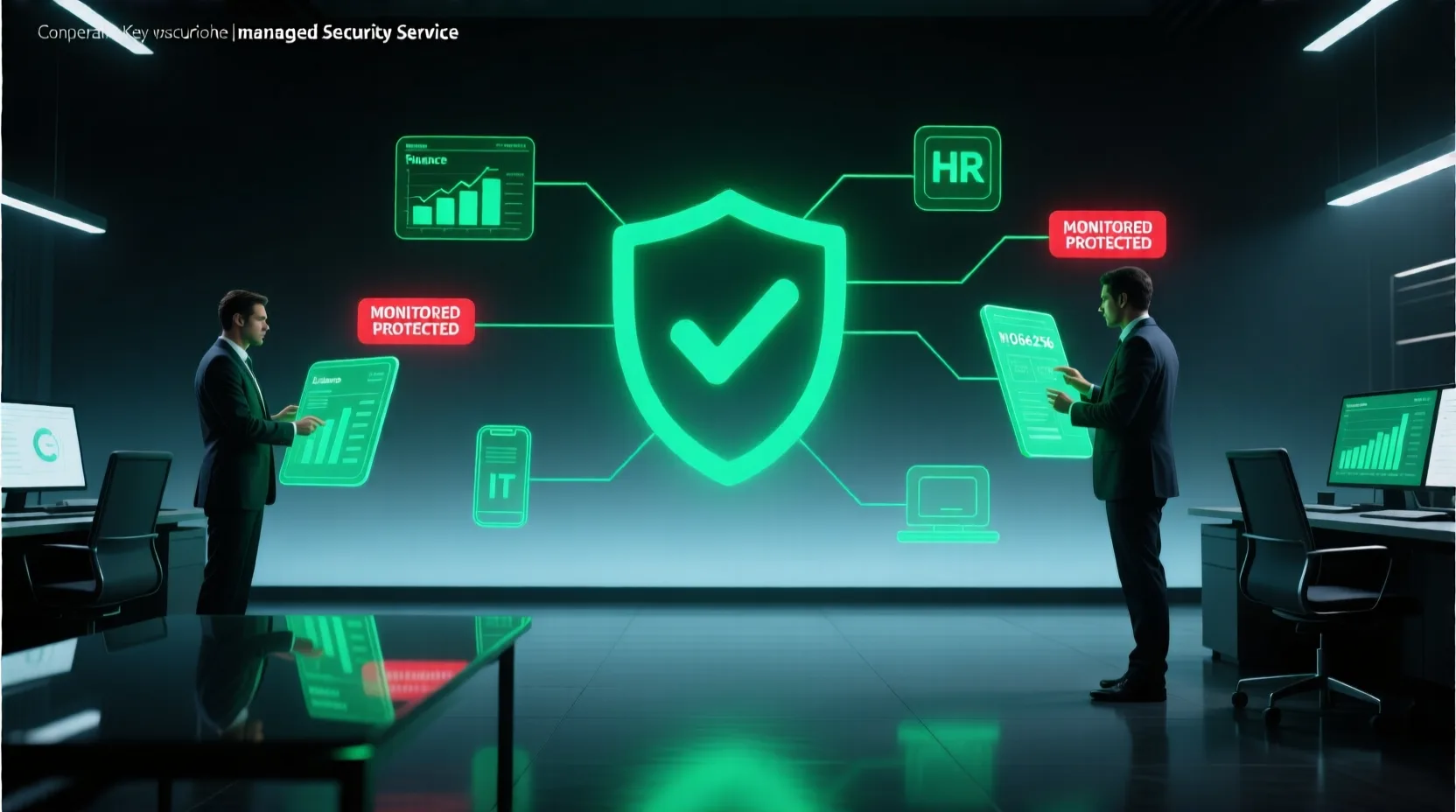
Controls and monitoring that stop the attack.
Secure Your Business with Rescue SOC
Let T.I. RESCUE, a leading cybersecurity firm based in Medellín, Colombia, handle your security monitoring with our Rescue SOC service.
Hablar con un especialistaSet this site as a preferred source on Google
You may also like
Comments (0)
Be the first to comment.