A help desk is the central point of contact for resolving internal IT issues and user requests. It functions as the operational backbone of your technology infrastructure, ensuring that problems are logged, tracked, and resolved efficiently. For small and medium-sized enterprises, a structured help desk prevents downtime from escalating into revenue loss.
Anatomy of the attack described in the article.
How does a help desk actually work?
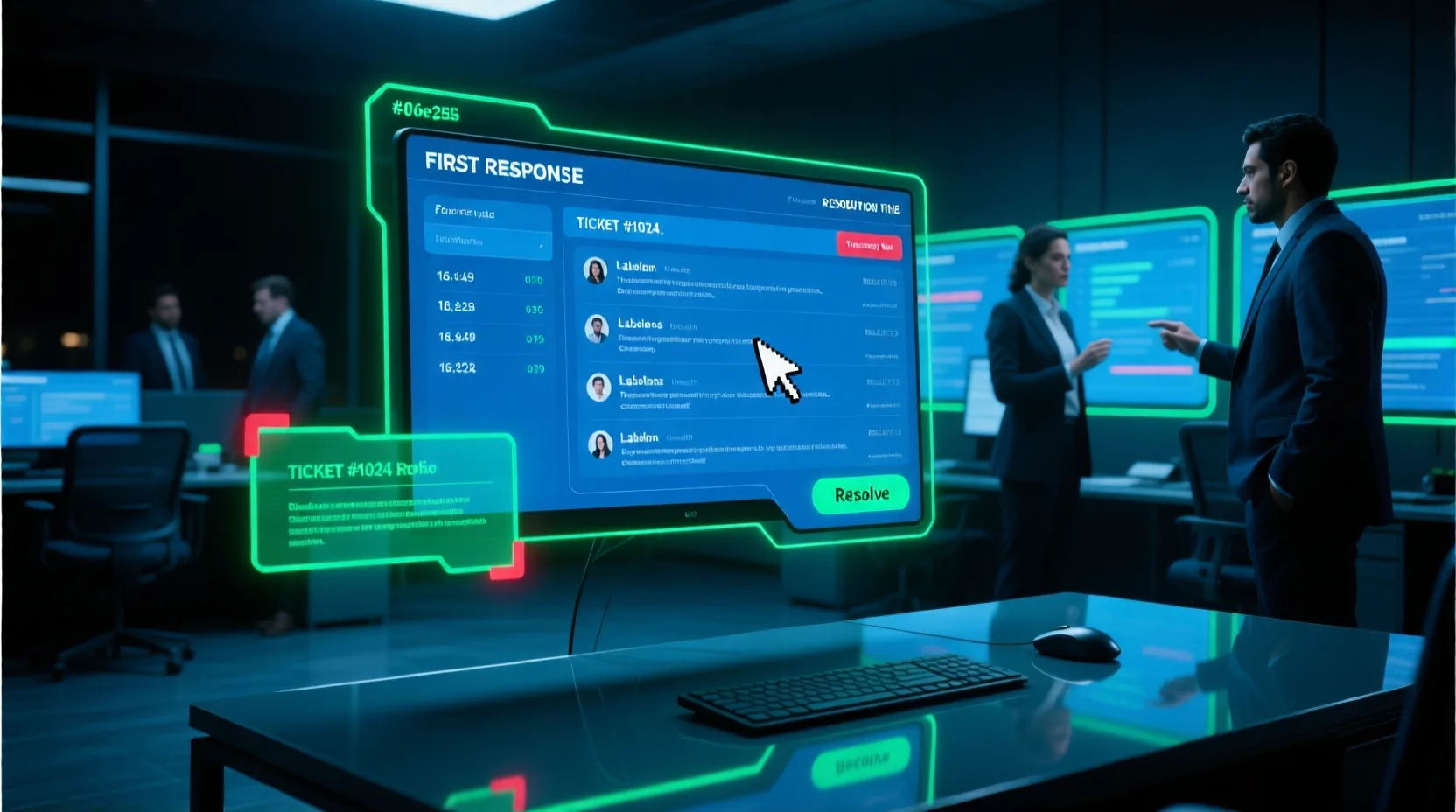
A help desk operates through a standardized ticketing system. When a user reports an issue, the system creates a ticket with a unique ID, priority level, and timestamp. The ticket is then routed to the appropriate technician based on skill set and availability. This workflow ensures that no request is lost and that every issue has a documented history. For businesses using Microsoft 365, you can assess your current readiness with the Microsoft 365 security assessment to ensure your help desk has the right tools to handle security-related tickets.
Why does a professional help desk protect your operation?
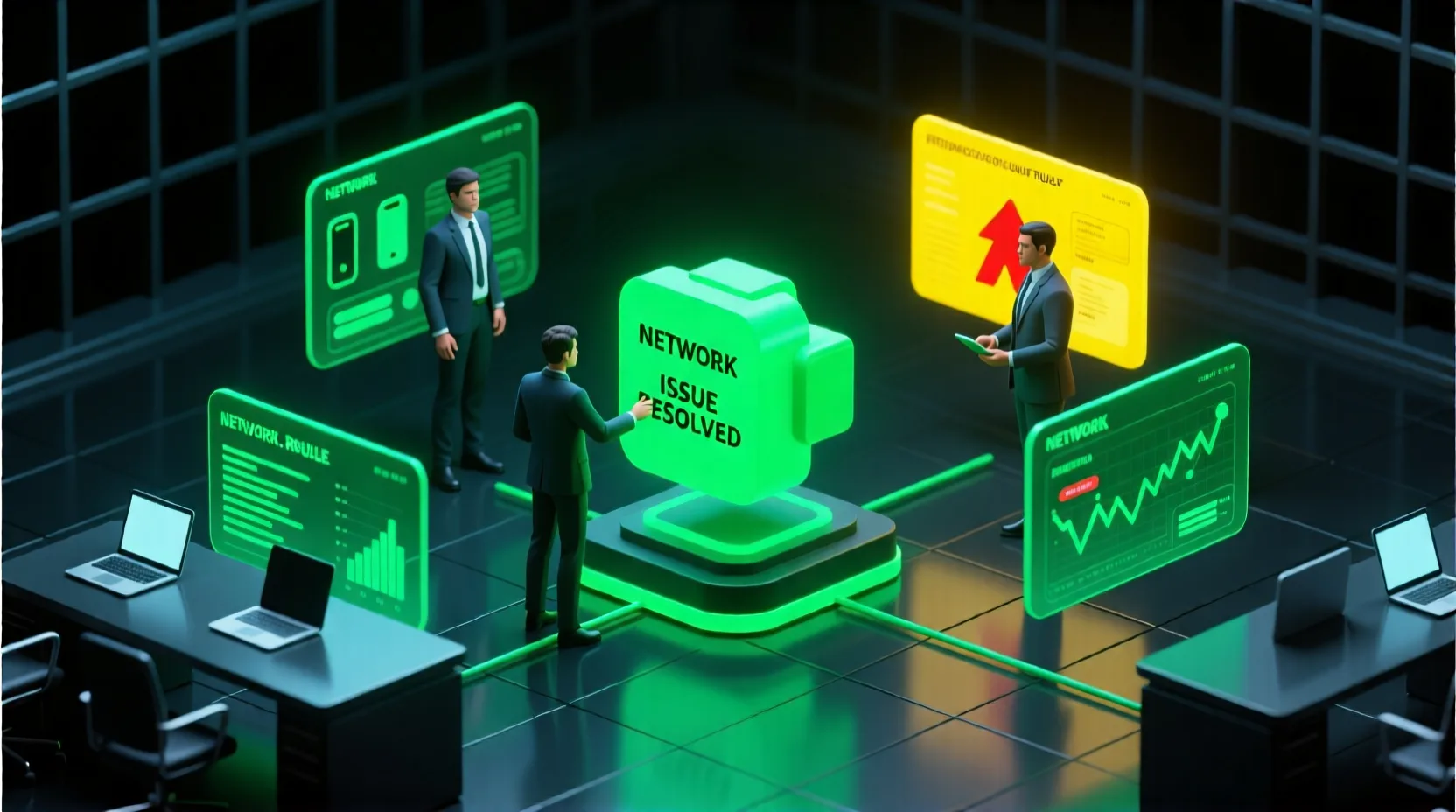
A professional help desk acts as a firewall against operational chaos. Without it, IT issues are handled ad hoc, leading to lost data, inconsistent fixes, and no record of past problems. A structured desk ensures that security incidents are escalated properly and that business continuity is maintained. By standardizing processes, you reduce the risk of human error and ensure that critical systems remain available. If you are unsure about your current security posture, consider running an ISO 27001 self-assessment to identify gaps in your incident response procedures.
What are the core components of a help desk?
Frequently asked questions
Is a help desk only for IT issues?
No, while IT is the primary user, help desks can handle any internal request, including HR, facilities, or finance inquiries.
How much does a help desk cost?
Costs vary widely depending on the number of users and features. Cloud-based solutions for small businesses can start at a few dollars per user per month.
Can a small business afford a professional help desk?
Yes, many cloud-based help desk platforms are designed specifically for small and medium-sized enterprises with scalable pricing models.
What is the difference between a help desk and a service desk?
A help desk focuses on reactive support, while a service desk is part of a broader IT Service Management (ITSM) strategy that includes proactive service delivery.
Controls and monitoring that stop the attack.
Secure Your Operations with T.I. RESCUE
Hablar con un especialistaSet this site as a preferred source on Google
You may also like


Comments (0)
Be the first to comment.