Phishing is a form of social engineering where attackers impersonate trusted entities to trick individuals into revealing sensitive information or installing malware. It remains the primary entry point for most cyberattacks, targeting both employees and executives. Understanding the mechanics behind these deceptions is the first step in building a resilient defense strategy.
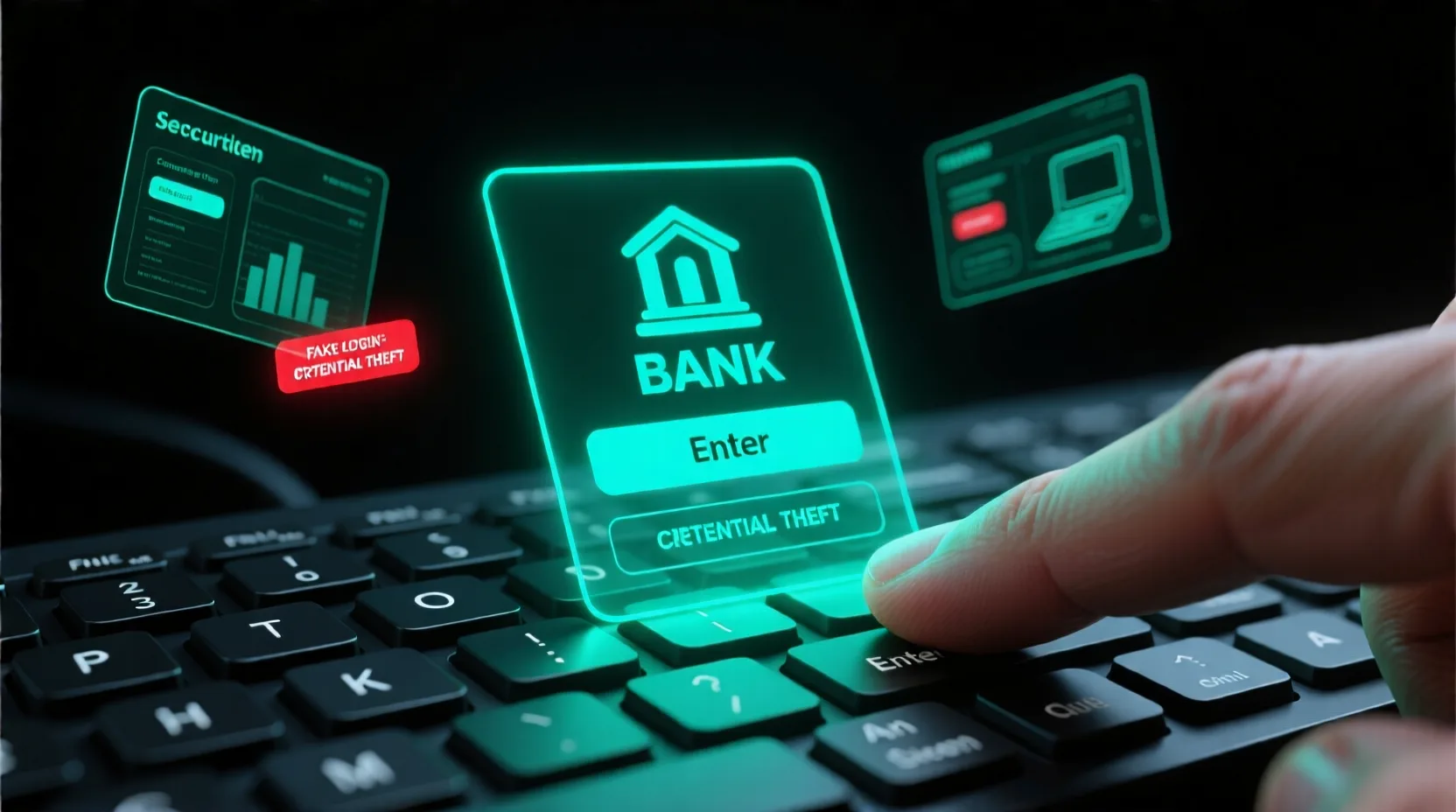
Anatomy of the attack described in the article.
What exactly is phishing in cybersecurity terms?
At its core, phishing relies on psychological manipulation rather than technical exploitation. Attackers craft messages that create urgency, fear, or curiosity to bypass rational decision-making. The goal is always to gain unauthorized access, whether by stealing login credentials, harvesting financial data, or delivering malicious payloads. Unlike brute-force attacks that try to crack passwords, phishing bypasses security controls entirely by convincing a human to open the door.
How can you identify a phishing email?
Look for inconsistencies in the sender’s email address, generic greetings, and urgent language that pressures you to act immediately. Check the URL carefully: legitimate domains rarely use extra characters or different top-level domains. Hover over links before clicking to verify the destination. If an email requests sensitive information like passwords or payment details, it is almost certainly a scam. Legitimate organizations never ask for credentials via email.
What are the immediate steps to take if you suspect phishing?
Why is employee training the most effective defense?
How does multi-factor authentication stop phishing?
What role does email security play in prevention?
Frequently Asked Questions
Is phishing only an email-based attack?
No, while email is the most common vector, phishing can also occur via SMS, voice calls, social media, and even physical media like USB drives.
Can phishing attacks be completely prevented?
While it is difficult to eliminate all risks, a combination of technical controls, employee training, and robust incident response can significantly reduce the likelihood of success.
What is the difference between phishing and spear phishing?
Phishing is a broad, untargeted attack sent to many people, whereas spear phishing is a targeted attack focused on a specific individual or organization.
How often should we conduct phishing simulations?
It is recommended to run simulations at least quarterly to keep staff alert and measure the effectiveness of your training programs.
Do small businesses need to worry about phishing?
Yes, small businesses are frequent targets because they often have fewer security resources and are perceived as easier to compromise.
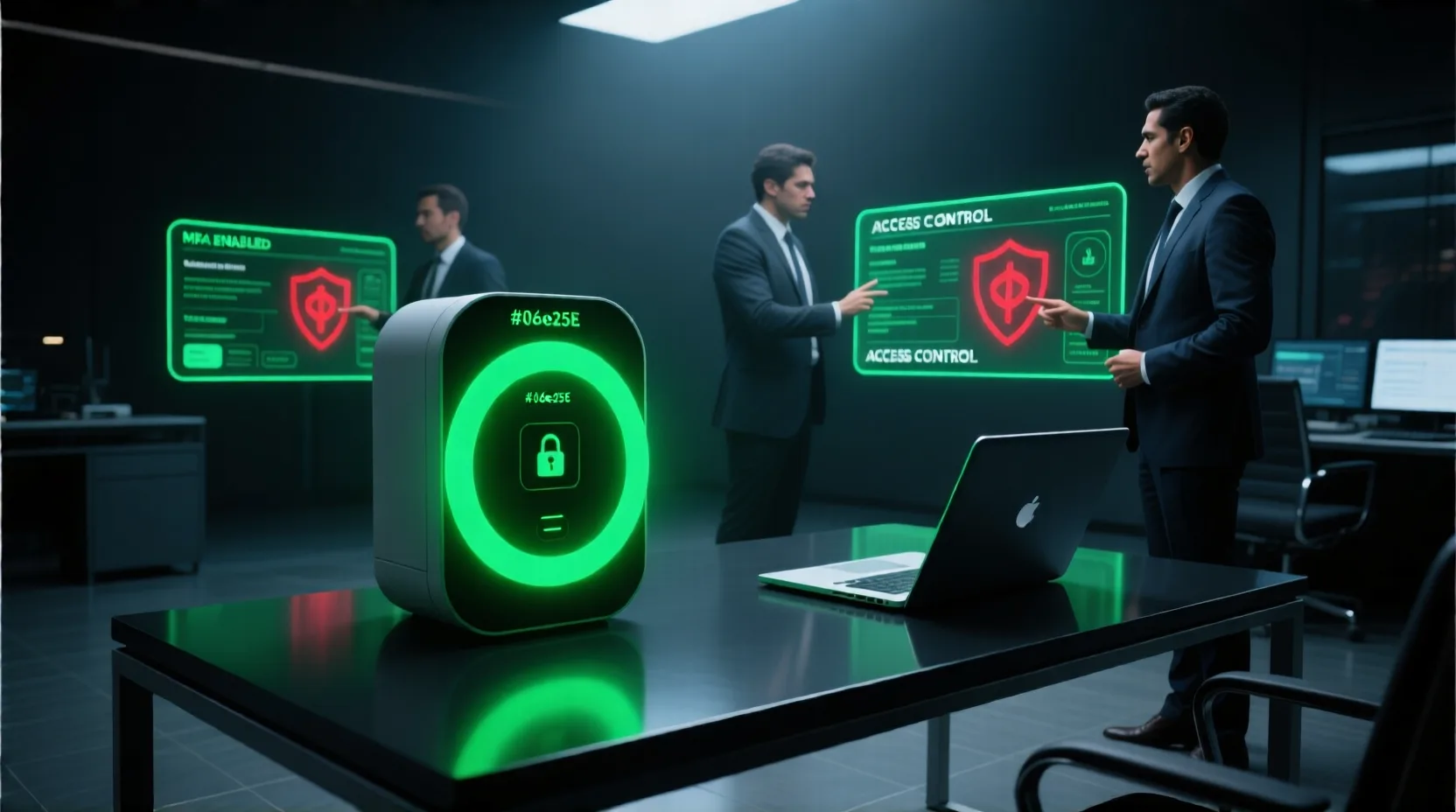
Controls and monitoring that stop the attack.
Protect Your Business Today
Contact T.I. RESCUE, a Colombian cybersecurity firm based in Medellín, to assess your current defenses and implement robust phishing prevention strategies.
Hablar con un especialistaYou may also like


Comments (0)
Be the first to comment.