Solar energy systems are increasingly targeted by cyberattacks because modern inverters are connected IoT devices that can control power flow. Securing these devices is essential to prevent grid instability and data breaches. This guide outlines practical steps to harden your solar infrastructure.
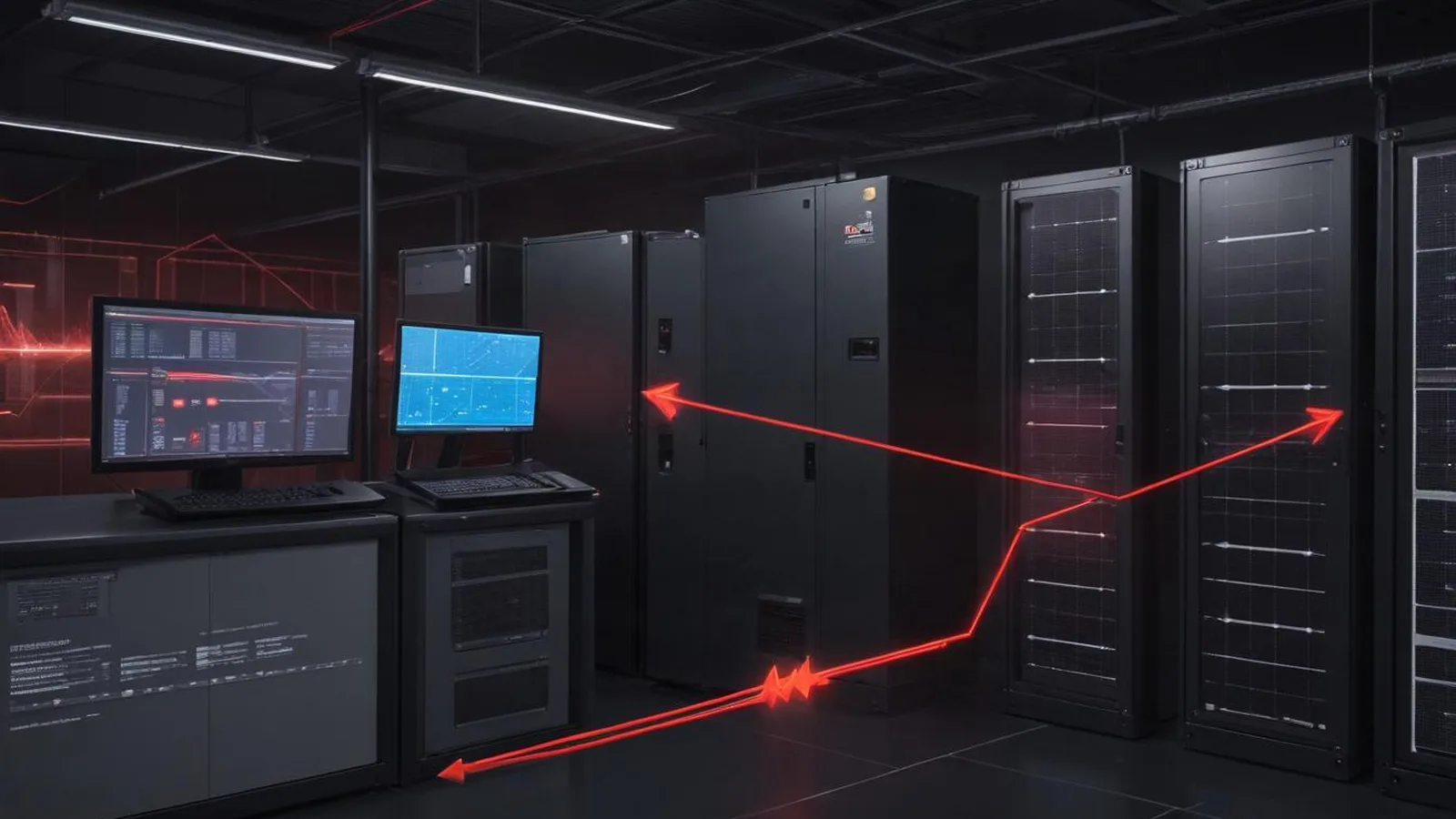
Anatomy of the attack described in the article.
Why are solar inverters a cyber risk?
Solar inverters are a cyber risk because they act as the bridge between your physical panels and the digital grid, exposing your home or business to remote access vulnerabilities. Unlike traditional electrical equipment, smart inverters communicate over Wi-Fi or Ethernet to send performance data and receive updates. If an attacker compromises this connection, they can manipulate power output, drain energy, or use the device as a botnet node to launch attacks on other systems. The risk is amplified when inverters share the same network as personal computers or business servers without proper segmentation.
Key vulnerabilities in solar energy systems
How to secure your solar network?
Many business owners overlook the digital aspect of their renewable energy investments. They focus on energy savings and carbon footprint reduction but ignore the attack surface created by the monitoring apps and cloud dashboards. This gap in awareness leaves the system vulnerable to sophisticated threats that can disrupt operations or compromise data integrity.
What monitoring tools should you use?
Your solar inverter is not just an energy device; it is a network endpoint that requires the same level of security as your most critical server.
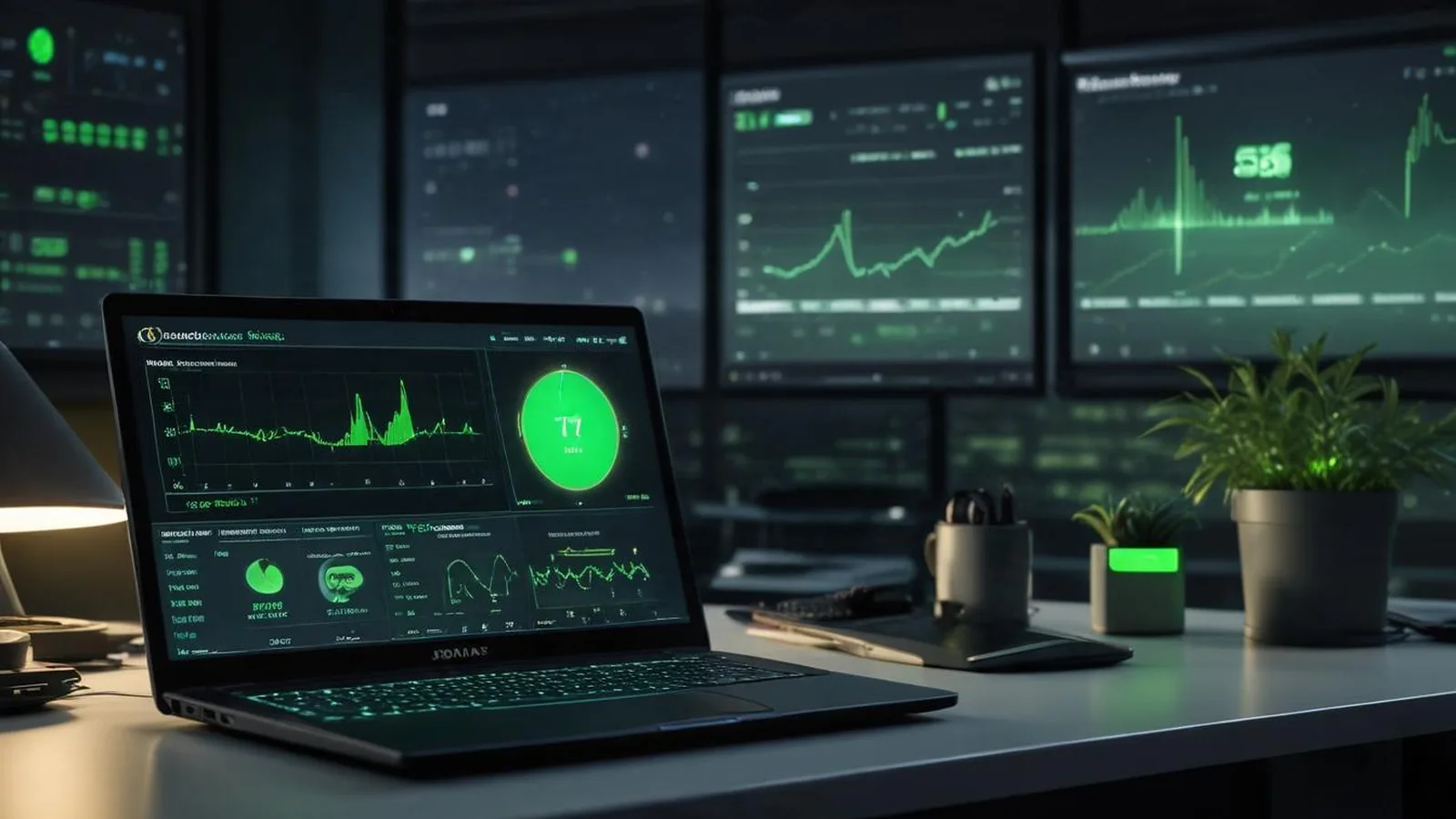
Controls and monitoring that stop the attack.
Secure Your Energy Future
Hablar con un especialistaSet this site as a preferred source on Google
You may also like

Comments (0)
Be the first to comment.